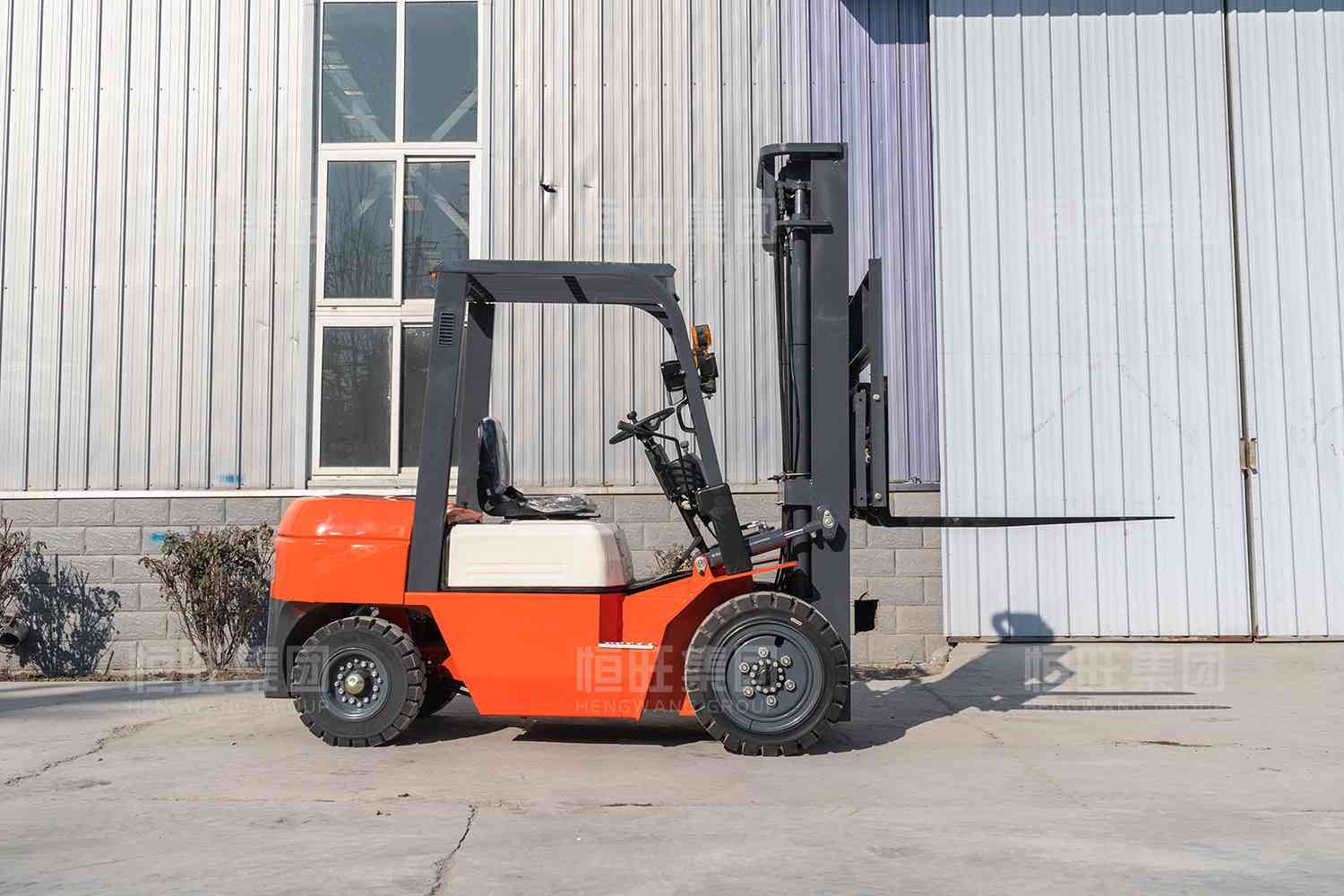
1. Internal Leakage: Hidden Culprits of Hydraulic Failure
Internal leakage in forklifts often manifests as weak lifting force, uncontrolled forks sliding down, or tilt cylinder drift. Key causes and solutions include:
Valve Stem Wear
Prolonged use or contaminated hydraulic fluid accelerates wear between valve stems and housings. Minor wear can be polished with chrome plating, while severe cases require replacementSeal Ring Degradation
Aging or damaged O-rings between valve bodies cause pressure loss. Clean contact surfaces, replace seals, and torque bolts to manufacturer specifications (e.g., 15–20 N·m)Safety Valve Spring Failure
A weakened safety valve spring allows hydraulic oil to bypass at pressures below 14 MPa. Replace the spring and recalibrate using a 7.5-ton load test at 600 mm from the load centerDirectional Control Valve Sticking
Contaminants or spring deformation prevents valve reset. Clean the valve body, replace deformed springs, and lubricate moving parts with high-viscosity grease
2. Valve Body Leakage: Seal Integrity Maintenance
Valve body leaks typically stem from O-ring failures. Solutions:
Locate Leakage Points: Identify oil stains around valve stems or housing joints.
Replace Seals: Use EPDM O-rings rated for -20°C to 120°C. Apply hydraulic oil before installation to ease seating.
Pressure Testing: After repair, run the forklift unloaded for 10 minutes to confirm no leaks
3. Preventive Measures for Long-Term Reliability
Scheduled Maintenance: Check hydraulic fluid levels every 500 hours and replace filters at 2,000-hour intervals
Operational Best Practices:
Avoid overloading (≤110% rated capacity).
In cold climates, use low-temperature hydraulic fluid (e.g., ISO VG32) to prevent viscosity spikes
Environmental Adaptation:
Clean valve bodies with compressed air after dusty operations.
Inspect for corrosion in humid environments and apply anti-corrosion coatings
Conclusion
Effective forklift maintenance hinges on addressing both internal and external leakage sources. By prioritizing seal replacement, valve body servicing, and proactive environmental adaptations, operators can minimize downtime and extend equipment lifespan. Implementing a digital maintenance log for tracking repairs further ensures systematic reliability.